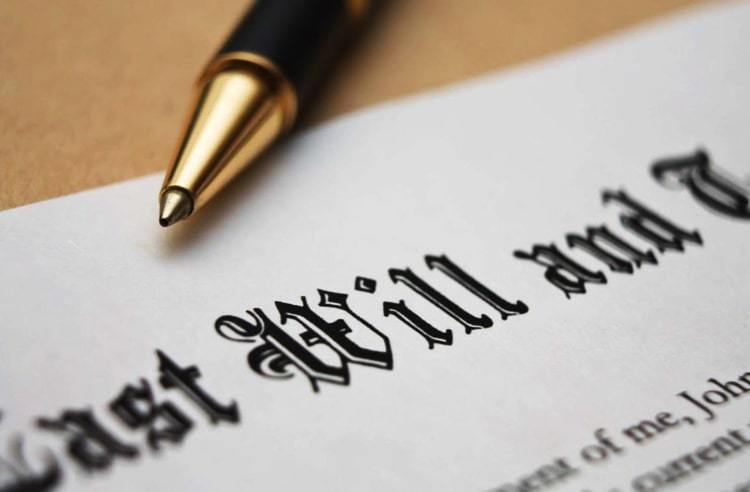

It’s important to follow all the right steps when you set up your Lasting Powers of Attorney (LPAs). If there’s any doubt about their validity the Office of the Public Guardian (OPG) will make a decision. This applies to LPAs for both your financial affairs and your health and welfare.
Campaigner, Esther Rantzen, continues to raise important matters even as she deals with her own health issues.
She inspired a debate in the Houses of Parliament about medical assistance for people at the end of their life. The debate was in response to a petition signed by over 200,000 people.
A: The Court of Protection (COP) makes decisions about the finances and welfare of people who can’t make decisions for themselves, either permanently or temporarily.
It’s reassuring to know someone will carry out your wishes if you can’t make important decisions for yourself.
Advances in technology and medicine mean we can look forward to longer and healthier lives. However, many of us know that, as we grow older, we should put plans in place.
If not for our own sake, it will give our friends and family peace of mind.
Lasting Powers of Attorney (LPAs) are important if you’re ever in a position where you can’t make decisions for yourself. They allow you to choose people you trust to make decisions about your finances and care on your behalf.
LPAs are a good idea for people of all ages, not just the elderly. However, the process is currently paper-based and slow.
Your local NHS Integrated Care Board (ICB) is responsible for commissioning continuing healthcare. The decision about whether you qualify is based on your overall healthcare needs rather than a specific health condition.